
Adab and Sunnah of the Prophet When Performing the Hajj and Umrah
The Hajj and Umrah pilgrimages are a spiritual journey full of meaning for every Muslim. Apart from carrying out the pillars and obligations of the Hajj and Umrah, there are several etiquette and sunnah taught by the Prophet ﷺ so that worship becomes more perfect and full of blessings.
1. Improve your intentions and be sincere for Allah
Before carrying out the Hajj or Umrah, a Muslim must fix his intention so that this worship is carried out solely for the sake of Allah. Rasulullah ﷺ said:
“Indeed, every deed depends on the intention.” (HR. Bukhari and Muslim)
2. Increase your prayers before leaving
Before leaving, it is recommended to pray for safety on the journey and ease in carrying out worship. One of the prayers taught by the Prophet ﷺ is:
“Bismillahi tawakkaltu ‘alallah, laa hawla wa laa quwwata illa billah.” (Meaning: In the name of Allah, I put my trust in Him. There is no power and strength except with Allah’s help.)
3. Maintain morals and patience
When performing the Hajj and Umrah, it is important to maintain morals, avoid arguments, and be patient in facing crowds and various challenges during worship. Allah says:
“Whoever sets his intention during that month to perform the Hajj, he must not rafats (speak dirty words), act impiously, or argue while performing the Hajj.” (QS. Al-Baqarah: 197)
4. Wearing the Ihram Correctly and Avoiding Ihram Prohibitions
For men, it is sunnah to wear clean ihram cloth, without seams, and wear perfume before ihram. Rasulullah ﷺ also taught us to stay away from the prohibitions of ihram, such as wearing perfume after the intention of ihram, cutting hair or nails, and hunting animals.
5. Chant the Talbiyah solemnly
One of the sunnahs that is highly recommended is to read the talbiyah with full appreciation:
“Labbaikallahumma labbaik, labbaika laa syarika laka labbaik, innal hamda wan ni’mata laka wal mulk, laa syarika lak.” (Meaning: I fulfill Your call, O Allah, I fulfill Your call. There is no partner for You, I fulfill Your call. Indeed, all praise, favors and the kingdom belong to You alone, there is no partner for You.)
It is sunnah to read the Talbiyah repeatedly, especially when entering Mecca and before starting tawaf.
6. Starting Tawaf by Touching the Black Stone (If Possible)
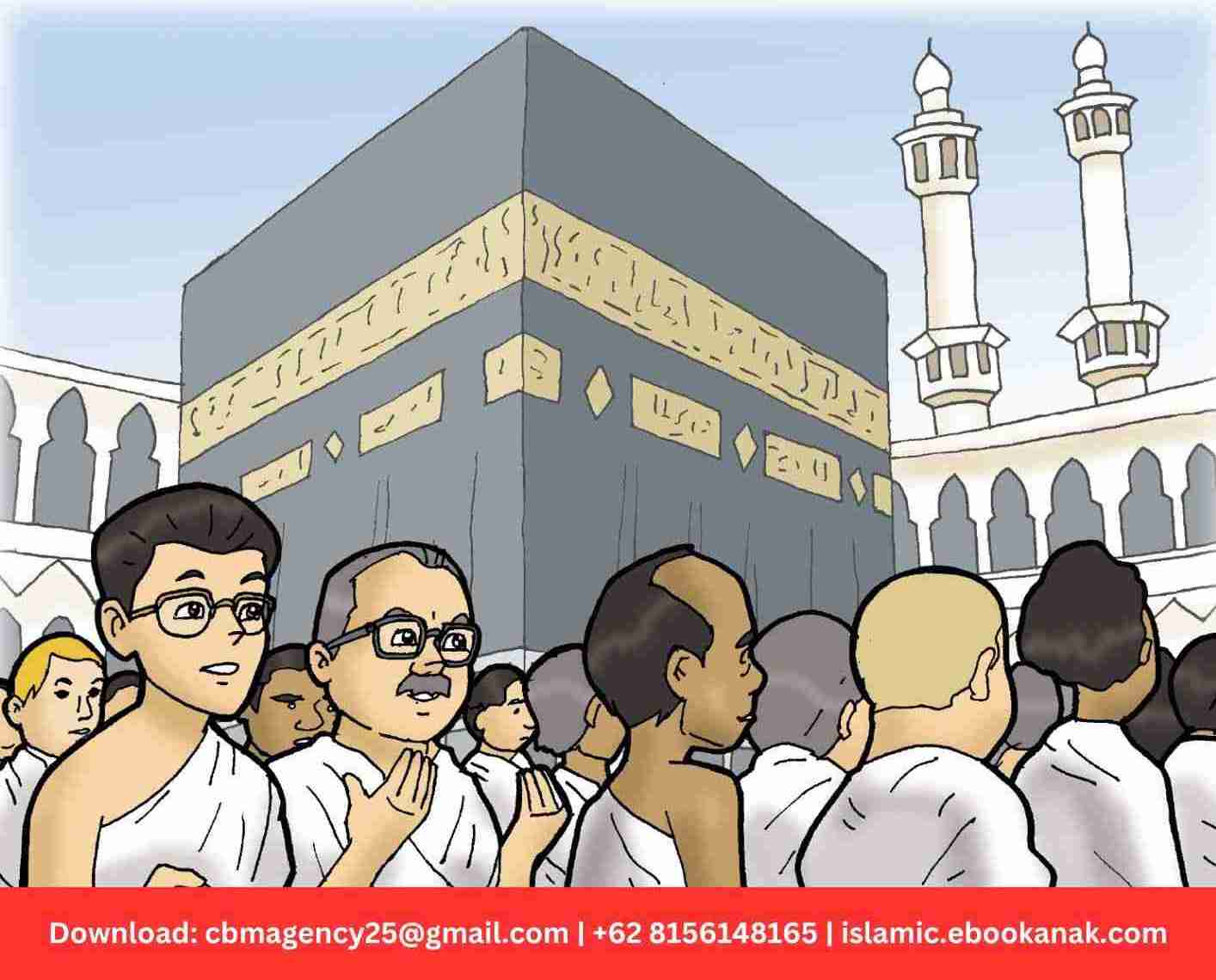
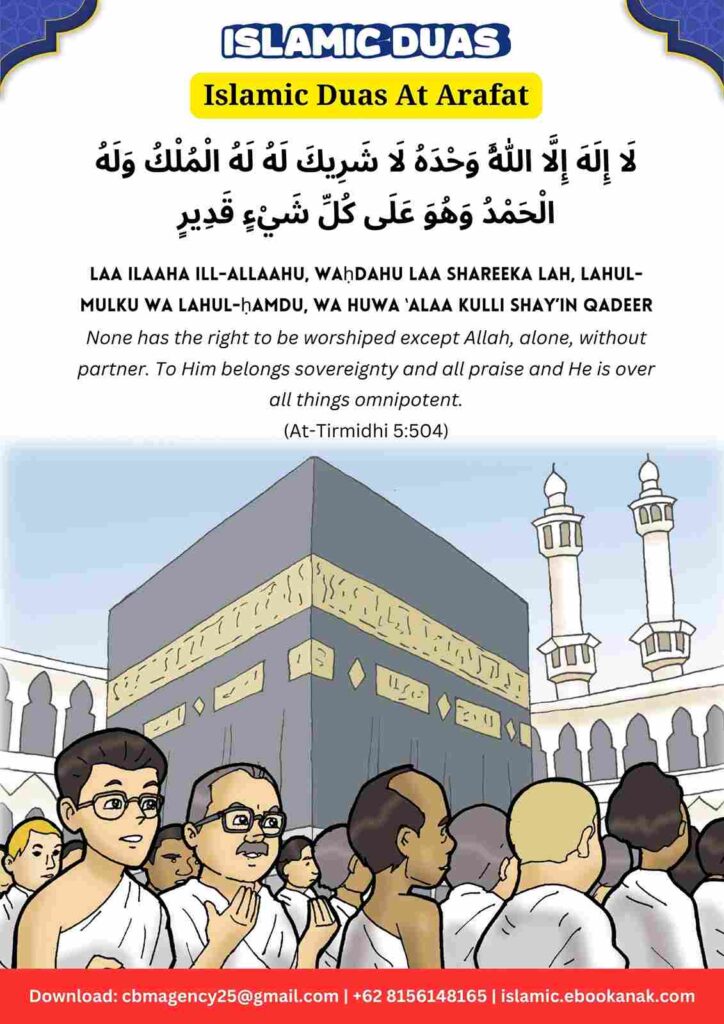
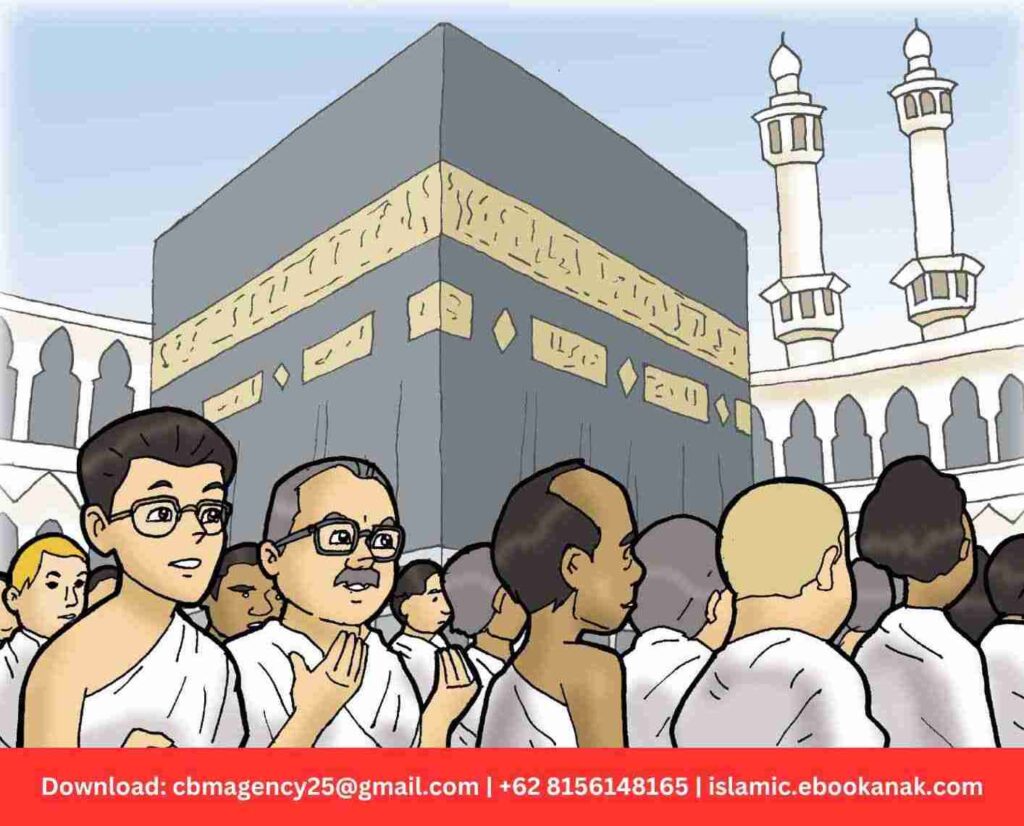
When starting tawaf at the Kaaba, the Prophet ﷺ gave an example to touch or kiss the Black Stone if possible. If it is not possible due to the crowd, simply by gesturing with your hand towards the Black Stone while saying Bismillah, Allahu Akbar.
7. Praying at Maqam Ibrahim
After completing tawaf, the next sunnah is to pray two rakaats behind Maqam Ibrahim, if possible. In this prayer, it is recommended to recite:
First rakaat: Surah Al-Fatihah and Al-Kafirun
Second rakaat: Surah Al-Fatihah and Al-Ikhlas
8. Drinking Zamzam Water with Prayer
The Prophet ﷺ also gave an example to drink Zamzam water after tawaf and pray according to each person’s needs, because Zamzam water has blessings. The Prophet said:
“Zamzam water is according to the intention of the person who drinks it.” (HR. Ibn Majah)
9. Perform Sa’i with full devotion
When performing sa’i between the hills of Shafa and Marwah, it is recommended to jog (sa’i) in the section between the two green marks for men, and recite prayers on each journey between Shafa and Marwah.
10. Pray in a Mustajab Place
When performing the Hajj and Umrah, it is recommended to increase your prayers, especially in efficacious places such as:
- Multazam (between the Black Stone and the Kaaba door)
- Hijr Ismail
- Arafat
- Muzdalifah
- Mina (Jamarat)
11. Do Tahallul Correctly
After completing the entire Umrah or Hajj pilgrimage, it is sunnah to shave your head completely (for men) or cut several strands of hair (for women). The Prophet ﷺ recommended shaving his hair because it is more important during the Hajj and Umrah pilgrimages.
12. Increasing righteous deeds and sunnah worship
While in the Holy Land, it is recommended to pray more, read the Koran, give alms and do dhikr, because every good deed will have double the reward in Mecca and Medina.
Conclusion
Following the adab and sunnah of Rasulullah ﷺ in the Hajj and Umrah pilgrimages will make the journey of worship more meaningful and get greater rewards. With sincere intentions, maintaining morals, and carrying out sunnah practices, God willing, our Hajj and Umrah will be accepted by Allah and bring blessings to life. May Allah make it easy for all of us to perform the Hajj and Umrah. Amen.