
Welcome to the Fun Islamic Eating & Drinking Crossword!
Fun and Interactive Crossword Quiz for Kids: Learn Islamic Eating and Drinking Etiquette According to Sunnah – 365 Q&A Edition to Teach Manners, Table Habits, Healthy Eating, and Sunnah Practices for Children
Theme 1: Before Eating – Spiritual Preparation (1-10 Q&A)
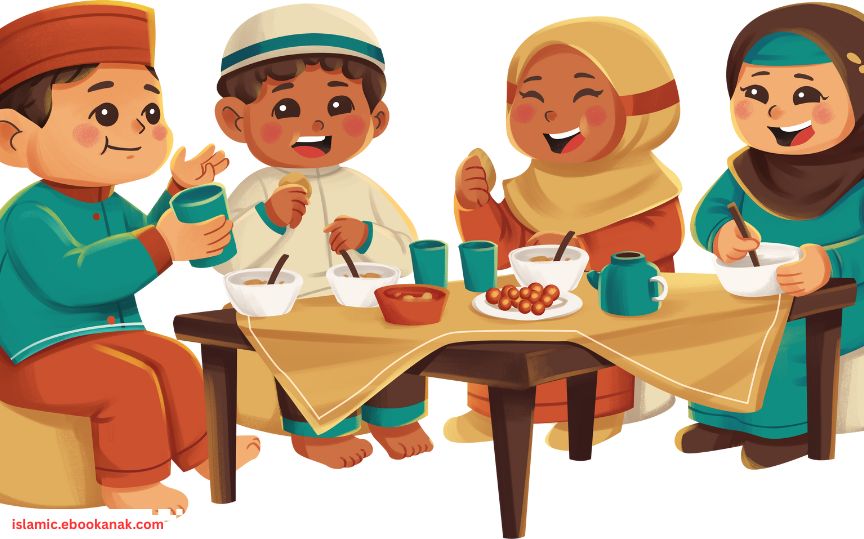
Q1. Why is saying Bismillah before eating important in Islam?
A: Saying Bismillah (“In the name of Allah”) reminds us that food is a blessing from Allah. The Prophet Muhammad (peace be upon him) taught that when we start with Bismillah, we invite Allah’s blessing (barakah) into our meal.
Q2. What should I do if I forget to say Bismillah at the start of a meal?
A: If you forget at the beginning, you can say: “Bismillahi fi awwalihi wa akhirihi” (In the name of Allah, at its beginning and its end). This is taught in a hadith reported by Abu Dawud.
Q3. Is there a specific dua (supplication) before eating?
A: Yes. The simple dua is to say “Bismillah”. For more completeness, you may say: “Allahumma barik lana fima razaqtana wa qina ‘adhaban-nar” (O Allah, bless us in what You have provided for us and save us from the punishment of the Fire).
Q4. What does the Prophet (PBUH) teach about washing hands before meals?
A: The Prophet (peace be upon him) encouraged cleanliness. He said that blessing comes with washing the hands before and after eating. (Reported in Tirmidhi).
Q5. Should I wash my hands even if they appear clean?
A: Yes. Even if hands look clean, washing removes unseen dirt and germs. Islam teaches both physical and spiritual cleanliness, so washing is always recommended.
Q6. Is it recommended to eat with family or alone?
A: Eating together is highly encouraged. The Prophet (peace be upon him) said: “Eat together and do not eat separately, for the blessing is in being together.” (Ibn Majah).
Q7. What is the ruling on eating while standing?
A: The Prophet (peace be upon him) usually drank while sitting, and some scholars discourage eating or drinking while standing. However, there are hadith that he sometimes drank standing, so it is allowed but better to sit.
Q8. Can I eat while walking according to Islamic teachings?
A: Islam encourages dignity and mindfulness when eating. Eating while walking is not recommended, as it may show carelessness and reduce gratitude.
Q9. What should I do if I’m invited to eat at someone’s house?
A: Islam teaches to accept invitations politely, say Bismillah, eat what is halal, and avoid waste. Always thank the host with the dua: “Allahumma at‘im man at‘amani wasqi man saqani” (O Allah, feed the one who fed me, and give drink to the one who gave me drink).
Q10. Is there a sunnah regarding where to sit while eating?
A: Yes. The Prophet (peace be upon him) usually sat on the floor in a humble manner, sometimes kneeling or sitting on his legs. He taught us to eat with humility, not in arrogance.
References:
-
Al-Qur’an (Surah Al-Baqarah 2:172)
-
Sahih Bukhari, Sahih Muslim, Abu Dawud, Tirmidhi, Ibn Majah
-
“Riyad-us-Saliheen” by Imam An-Nawawi
Theme 2: After Eating – Gratitude & Thanksgiving (11-20 Q&A)
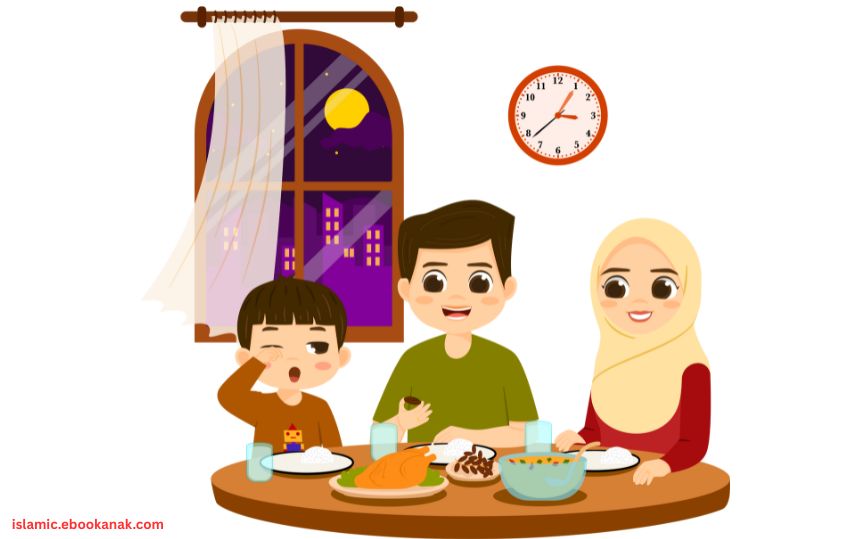
Q11. What dua should I say after finishing a meal?
A: The Prophet Muhammad (peace be upon him) taught us to say:
“Alhamdulillah alladhi at‘amani hadha wa razaqanihi min ghayri hawlin minni wa la quwwah.”
It means: “All praise is for Allah who gave me this food and provided it without my power or ability.” (Hadith – Tirmidhi)
Q12. Why is saying Alhamdulillah after eating important?
A: Saying Alhamdulillah shows gratitude to Allah. It reminds us that food is not just from our effort, but a gift and mercy from Him. Grateful people receive more blessings (Qur’an 14:7).
Q13. Is there a longer supplication for after meals?
A: Yes, another sunnah dua is:
“Alhamdulillahi kathīran ṭayyiban mubārakan fīh, ghayra makfiyyin wa la muwadda‘in wa la mustaghnan ‘anhu Rabbana.”
This means: “All praise is to Allah, abundant, pure and blessed, never-ending, never abandoned, and we can never do without our Lord.” (Bukhari)
Q14. What did the Prophet (PBUH) do immediately after eating?
A: He would praise Allah, say dua, and sometimes rinse his mouth. This shows both spiritual gratitude and physical cleanliness.
Q15. Should I wash my hands after eating?
A: Yes, it is sunnah to wash the hands after eating, especially if food was eaten with the hands. Cleanliness is part of faith (iman).
Q16. Is it sunnah to rinse the mouth after eating?
A: Yes, rinsing the mouth after eating keeps it clean, removes food particles, and was practiced by the Prophet (peace be upon him).
Q17. What is the etiquette of using a toothpick (miswak) after meals?
A: The Prophet (peace be upon him) liked using siwak (tooth-stick) to clean his teeth. It is sunnah and keeps the mouth fresh and healthy.
Q18. Should I thank the host after eating at someone’s home?
A: Yes! The Prophet (peace be upon him) said, “He who has eaten at the house of some people should supplicate for them…” (Abu Dawud).
Q19. Is there a specific dua to say for the host?
A: Yes, the Prophet (peace be upon him) taught:
“Allahumma barik lahum fima razaqtahum, waghfir lahum, warhamhum.”
Which means: “O Allah, bless them in what You have provided for them, forgive them, and have mercy upon them.” (Muslim)
Q20. What did the Prophet teach about cleaning the plate after eating?
A: The Prophet (peace be upon him) encouraged licking the fingers and cleaning the plate because blessings (barakah) may remain in the last bits of food. (Muslim)
References:
– Al-Qur’an (Surah Ibrahim 14:7)
– Sahih Bukhari, Sahih Muslim, Abu Dawud, Tirmidhi
Theme 3: Eating with the Right Hand (21-30 Q&A)
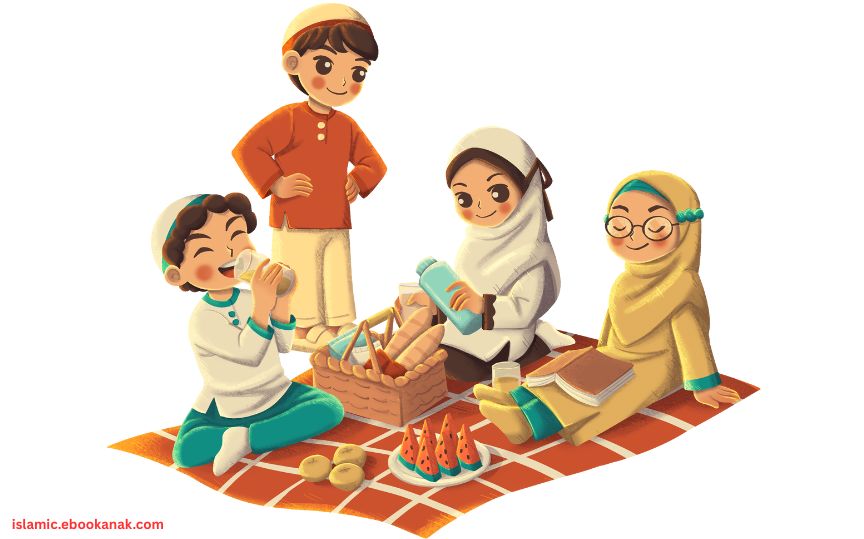
Q21. Why must Muslims eat with their right hand?
A: The Prophet Muhammad (peace be upon him) taught that eating with the right hand is Sunnah and a sign of good manners. It is part of Islamic etiquette that shows respect for Allah’s blessings.
Q22. What did the Prophet say about eating with the left hand?
A: The Prophet (peace be upon him) said: “When any one of you eats, let him eat with his right hand, and when he drinks, let him drink with his right hand, for the devil eats and drinks with his left hand.” (Muslim)
Q23. Is it sinful to eat with the left hand?
A: Yes, if someone eats with the left hand out of pride or ignoring the Sunnah, it is disliked and sinful. But if done due to illness or disability, Allah is Merciful and it is excused.
Q24. What if someone is left-handed or has a disability?
A: Islam is merciful. If a person cannot use their right hand because of a disability, illness, or injury, they are excused and not sinful. Allah only asks what is within our ability (Qur’an 2:286).
Q25. Which hadith specifically mentions eating with the right hand?
A: In Sahih Muslim, the Prophet (peace be upon him) clearly said: “Eat with your right hand, and drink with your right hand.” This hadith is the basis of this Sunnah.
Q26. What about drinking with the right hand?
A: Just like eating, it is Sunnah to drink with the right hand. The Prophet (peace be upon him) always used his right hand for eating and drinking.
Q27. Can I use utensils like forks and spoons?
A: Yes, Islam allows using utensils as long as you hold them with your right hand. The Sunnah is about which hand you use, not whether you eat with your fingers or utensils.
Q28. What hand should I use to pass food to others?
A: Always pass food with your right hand. This shows respect and spreads blessing (barakah) among those sharing the meal.
Q29. Is there an exception for eating certain foods with the left hand?
A: No, there is no Sunnah exception. Muslims should always use the right hand when possible. The left hand can be used only when necessary (like helping with cutting or holding).
Q30. How should I teach children about eating with the right hand?
A: Teach them gently and with love. The Prophet (peace be upon him) once told a young boy: “O young boy, say Bismillah, eat with your right hand, and eat from what is in front of you.” (Bukhari & Muslim)
References:
– Qur’an (2:286)
– Sahih Bukhari, Sahih Muslim, Abu Dawud
Theme 4: Eating from Your Side of the Plate (31-40 Q&A)
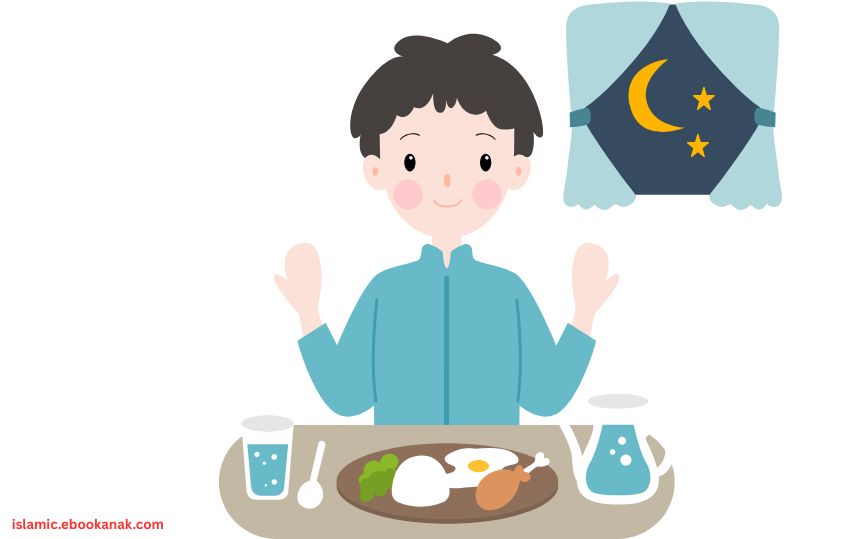
Q31. What does “eat from what is nearest to you” mean?
A: It means that when eating from a shared dish, you should take food from the part that is closest to you instead of reaching over or across the dish.
Q32. Which hadith teaches about eating from your side?
A: The Prophet Muhammad (peace be upon him) told a young boy: “O young boy, say Bismillah, eat with your right hand, and eat from what is in front of you.” (Bukhari & Muslim).
Q33. Why is it important to eat from your own side?
A: It teaches good manners, avoids disturbing others, and keeps the food clean and respectful.
Q34. Can I reach across the plate for food?
A: No, it is not polite to reach across. Instead, you should eat from your side unless the food is passed to you.
Q35. What if the best food is on the other side of the plate?
A: You should wait patiently. If you really want it, kindly ask someone near that side to pass it to you. This shows respect and good manners.
Q36. Is there an exception to this rule?
A: Yes, if the food is a type that is mixed (like rice or stew), you may take from anywhere. But in general, Sunnah is to eat from your own side.
Q37. How does this apply to modern dining with individual plates?
A: If everyone has their own plate, then you may eat from anywhere on your plate. The rule mainly applies to shared dishes.
Q38. What about eating from shared dishes?
A: In shared dishes, always take from the part in front of you. This keeps the food hygienic and shows care for others.
Q39. Is it rude to eat from the center in Islamic etiquette?
A: Yes, unless it is a food that requires taking from the center, eating from the middle or other people’s side is considered impolite.
Q40. What did the Prophet teach young children about this?
A: The Prophet (peace be upon him) taught children gently with love. He said to Umar ibn Abi Salamah (a child eating with him): “Say Bismillah, eat with your right hand, and eat from what is in front of you.” (Bukhari & Muslim).
References:
– Sahih Bukhari, Sahih Muslim
– Adab al-Mufrad (Imam Bukhari)
Theme 5: Eating in Moderation – Not Overeating (41-50 Q&A)
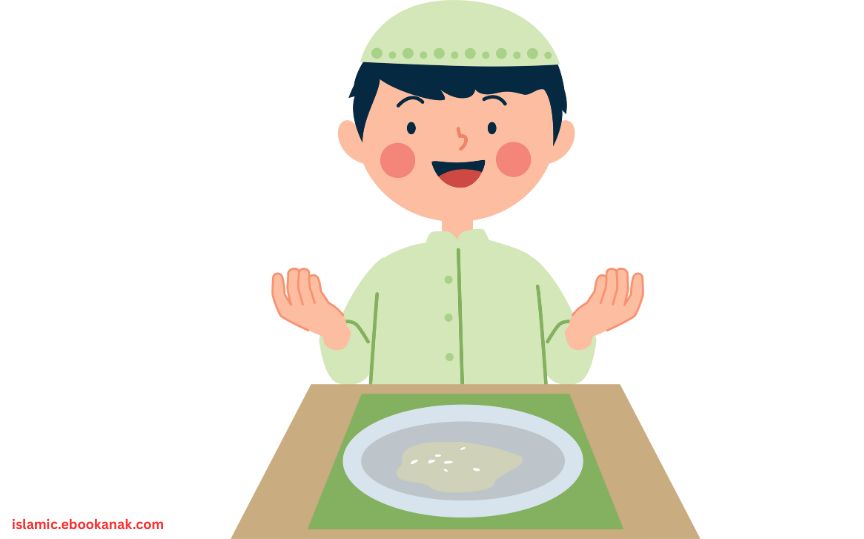
Q41. What does Islam say about overeating?
A: Islam teaches that overeating is discouraged. The Prophet Muhammad ﷺ said that a believer eats in one intestine, while a disbeliever eats in seven, meaning Muslims should eat moderately and not excessively.
Q42. What is the one-third rule for eating?
A: The Prophet Muhammad ﷺ advised that we should fill one-third of the stomach with food, one-third with water, and leave one-third for air. This helps keep the body healthy and the mind clear.
Q43. Which hadith mentions dividing the stomach into thirds?
A: In a hadith narrated by Al-Miqdam ibn Ma‘dikarib (Tirmidhi), the Prophet ﷺ said:
“No human fills a vessel worse than his stomach. It is sufficient for the son of Adam to eat a few mouthfuls to keep him alive…” — This is where the “one-third” rule comes from.
Q44. Why is overeating discouraged in Islam?
A: Overeating can make a person lazy, sleepy, and less focused on worship. Islam encourages self-control and gratitude by not wasting food or harming our body.
Q45. How can I practice eating in moderation?
A: Eat slowly, stop before you feel too full, and listen to your body. Always begin with Bismillah and end with Alhamdulillah. Eating with mindfulness is a sunnah!
Q46. What are the health benefits of the Sunnah eating method?
A: Following the Sunnah way prevents obesity, improves digestion, keeps energy balanced, and helps the brain stay alert. It’s good for both physical and spiritual health.
Q47. Is it permissible to eat until completely full?
A: It’s allowed but not recommended. Islam encourages balance. Eating until full should not become a habit, because the Prophet ﷺ warned against filling the stomach excessively.
Q48. What did the Prophet say about the worst vessel to fill?
A: The Prophet Muhammad ﷺ said, “No human fills a vessel worse than his stomach.” (Tirmidhi, Ibn Majah). This means that overeating is harmful and not part of good Islamic manners.
Q49. How does moderation in eating affect worship?
A: When you eat moderately, your body feels light and active, making it easier to pray, memorize, and focus during worship. Too much food can make the heart and mind heavy.
Q50. Can overeating be considered sinful?
A: Yes, if it leads to wastefulness, laziness, or neglect of worship. Islam teaches moderation (wasatiyyah) in all things — including eating.
References:
- Sahih al-Bukhari
- Jami’ at-Tirmidhi
- Ibn Majah
- Riyadh as-Salihin, Chapter of Moderation in Eating
Theme 6: Types of Food the Prophet Ate (51-60 Q&A)
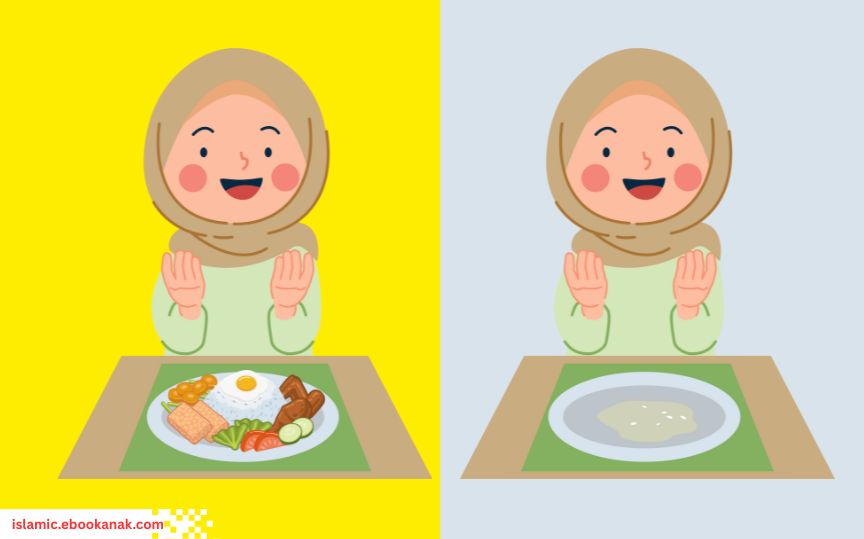
Q51. What was the Prophet Muhammad’s (PBUH) favorite food?
A: The Prophet loved simple and healthy foods such as dates, honey, milk, and barley bread. He never demanded fancy dishes and always showed gratitude for whatever was available.
Q52. Did the Prophet eat meat regularly?
A: No, the Prophet did not eat meat very often. He ate it occasionally, mainly during special times like Eid or when guests were invited, teaching Muslims to eat meat in moderation.
Q53. What types of fruits did the Prophet consume?
A: The Prophet Muhammad (PBUH) ate fresh fruits like dates, grapes, pomegranates, and figs. He encouraged eating fruits as natural and healthy food from Allah.
Q54. Did the Prophet drink milk?
A: Yes, the Prophet often drank milk from cows, goats, and camels. He said milk cleanses the stomach and gives strength. It was one of his favorite drinks.
Q55. What is the significance of dates in Islamic nutrition?
A: Dates are mentioned many times in the Qur’an and Hadith. The Prophet (PBUH) said, “He who eats seven dates every morning will not be harmed by poison or magic.” (Bukhari & Muslim). Dates give quick energy and barakah.
Q56. Did the Prophet eat honey?
A: Yes, honey was one of his favorite natural foods. The Qur’an mentions honey as a healing medicine for humans. The Prophet (PBUH) used it both as food and as medicine.
Q57. What vegetables did the Prophet eat?
A: The Prophet enjoyed simple vegetables such as cucumbers, pumpkins, and gourds. He once said, “Eat pumpkin, for it strengthens the heart.” (Tirmidhi).
Q58. What grains and breads were common in the Prophet’s diet?
A: The Prophet (PBUH) often ate barley bread and sometimes wheat bread when available. His food was usually plain and made from natural ingredients.
Q59. Did the Prophet eat seafood?
A: The Prophet himself didn’t often eat seafood, but he said, “Its water is pure and its dead are lawful (halal).” (Abu Dawud). This means seafood is halal for Muslims.
Q60. What foods did the Prophet specifically recommend?
A: The Prophet recommended eating dates, honey, milk, olive oil, barley, and vinegar. These foods are full of nutrients and blessings (barakah) when eaten with gratitude.
References:
– Sahih al-Bukhari
– Sahih Muslim
– Sunan Abu Dawud
– Jami’ at-Tirmidhi
– Al-Qur’an (Surah An-Nahl 16:69)
– Authentic Seerah & Sunnah references
Theme 7: Drinking Water – Prophetic Guidelines (61-70 Q&A)
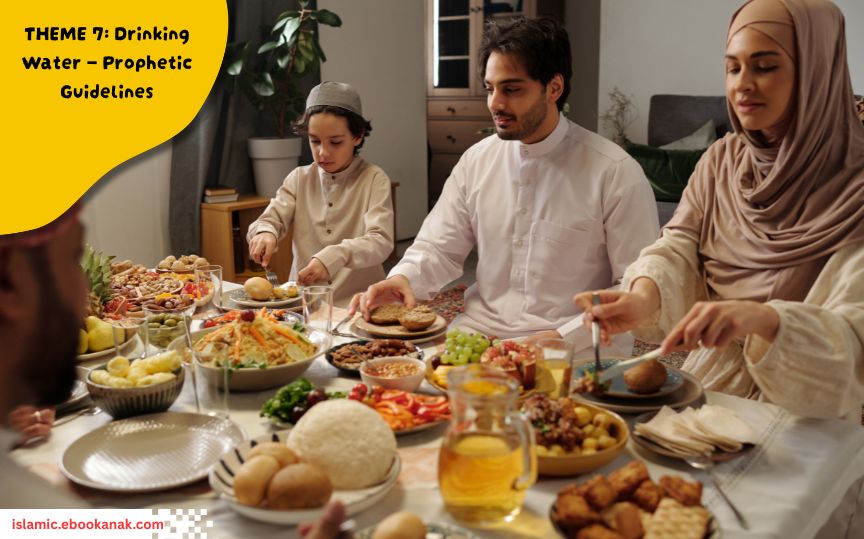
Q61. Should I drink water while sitting or standing?
A: The Prophet Muhammad (peace be upon him) encouraged us to drink while sitting. It helps the body digest better and shows good manners. However, it’s not forbidden to drink standing if there’s a need, such as during Hajj or when water is not easily reachable.
Q62. What did the Prophet say about drinking while standing?
A: The Prophet (PBUH) once advised, “Do not drink while standing.” (Reported by Muslim). He wanted us to be calm and mindful when drinking. But on some occasions, he himself drank standing, showing that it is allowed but not recommended.
Q63. Is it sunnah to drink water in three breaths?
A: Yes. The Prophet (PBUH) used to drink in three sips, taking a short breath between each one (Bukhari and Muslim). This way helps prevent choking and makes us more thankful for each sip.
Q64. Why should water be drunk in sips, not gulps?
A: Drinking slowly in small sips is better for your health and manners. It helps your body absorb water properly and follows the beautiful sunnah of the Prophet (PBUH).
Q65. What should I say before drinking water?
A: Say “Bismillah” (In the name of Allah). It reminds you that water is a gift from Allah and invites His blessing (barakah).
Q66. Is there a dua after drinking water?
A: Yes. After finishing, say:
“Alhamdulillah” (All praise be to Allah).
The Prophet (PBUH) also said this longer dua:
“Alhamdulillāh alladhī saqānā ‘adhban furātan birahmatihi wa lam yaj‘alhu milḥan ujājan bidhunūbinā.”
Meaning: “Praise be to Allah who gave us sweet, fresh water by His mercy and did not make it salty and bitter because of our sins.”
Q67. Should I drink water with my right hand?
A: Yes, always use your right hand. The Prophet (PBUH) said, “Eat and drink with your right hand, for Shaytan eats and drinks with his left.” (Muslim). It’s a sign of good manners and respect.
Q68. What about drinking from a cup versus directly from a bottle?
A: It’s better to drink from a cup or glass, not directly from a bottle or jug. The Prophet (PBUH) forbade drinking straight from a large container because it can spread germs and make others uncomfortable (Bukhari & Muslim).
Q69. Is it forbidden to blow into drinks?
A: Yes. The Prophet (PBUH) said, “Do not blow into your drink.” (Muslim). If the drink is hot, wait until it cools down or take small sips — this is healthier and more polite.
Q70. What is Zamzam water and its significance?
A: Zamzam is a special water from a well in Makkah. It was a miracle gift from Allah to Hajar and baby Ismail (peace be upon them). The Prophet (PBUH) said: “Zamzam water is for whatever it is drunk for.” (Ibn Majah). It is pure, blessed, and spiritually healing.
References:
- Sahih Bukhari and Sahih Muslim
- Sunan Abu Dawud, Sunan Tirmidhi
- Al-Qur’an, Surah An-Nahl 16:65
- Ibn Kathir – Tafsir al-Qur’an al-Azim
Theme 8: Eating Dates – Sunnah and Benefits (71-80 Q&A)
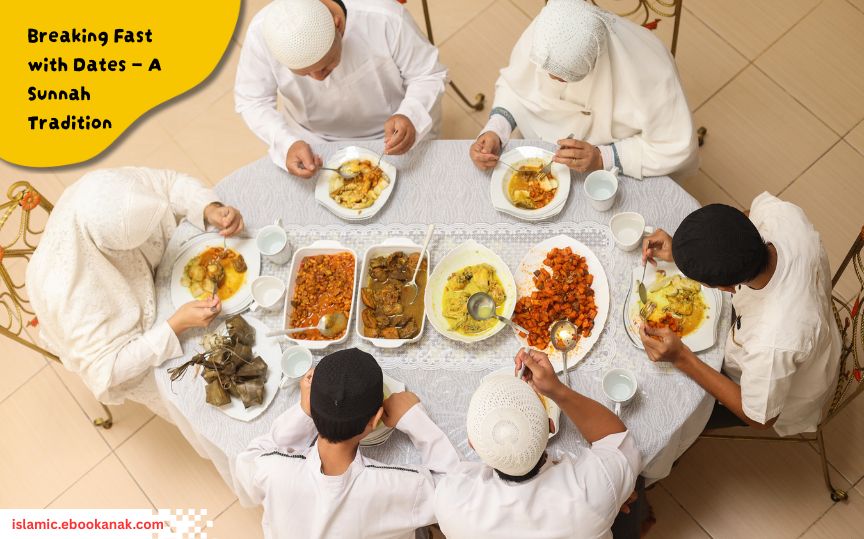
Q71. Why are dates so important in Islamic tradition?
A: Dates are one of the most beloved foods in Islam. The Prophet Muhammad (peace be upon him) often ate dates and spoke about their blessings. They were a common food in Madinah and are mentioned many times in the Qur’an as a symbol of goodness and nourishment.
Reference: Qur’an, Surah Maryam (19:25–26); Sahih Muslim.
Q72. How many dates should I eat according to the Sunnah?
A: The Prophet (PBUH) liked to eat dates in odd numbers — like one, three, five, or seven. He encouraged this habit because odd numbers are beloved to Allah.
Reference: Sahih Bukhari, Hadith No. 5044.
Q73. What are the health benefits of eating dates?
A: Dates are full of natural energy, fiber, vitamins, and minerals. They help improve digestion, give strength, and support brain and heart health. That’s why they’re a perfect food for breaking the fast!
Reference: Ibn Qayyim, Medicine of the Prophet.
Q74. Should dates be eaten in odd numbers?
A: Yes! The Prophet (PBUH) loved to eat dates in odd numbers — three or seven, for example. This small sunnah reminds us to follow the Prophet even in simple daily habits.
Reference: Sahih Bukhari, Hadith No. 5431.
Q75. What is special about Ajwa dates?
A: Ajwa dates were the favorite of the Prophet (PBUH). He said that whoever eats seven Ajwa dates in the morning will be protected from poison and magic that day. These dates are grown mainly in Madinah.
Reference: Sahih Bukhari, Hadith No. 5445.
Q76. Can eating dates in the morning protect against poison?
A: Yes, the Prophet (PBUH) said that eating seven Ajwa dates in the morning protects a person from harm. This is a beautiful example of how sunnah foods bring both physical and spiritual protection.
Reference: Sahih Bukhari, Hadith No. 5768.
Q77. What did the Prophet say about breaking fast with dates?
A: The Prophet (PBUH) always broke his fast with fresh dates before praying Maghrib. If there were no fresh dates, he would use dry dates or water. This shows simplicity and gratitude in the sunnah.
Reference: Sunan Abu Dawood, Hadith No. 2356.
Q78. Are there specific supplications for eating dates?
A: While there isn’t a special dua only for dates, Muslims should say “Bismillah” before eating and “Alhamdulillah” after finishing — thanking Allah for the food He provides.
Reference: Sahih Muslim, Hadith No. 2022.
Q79. Can dates be given as gifts or charity?
A: Absolutely! The Prophet (PBUH) encouraged giving dates as sadaqah (charity) because they are simple, healthy, and full of blessings. Even one date given sincerely can bring great reward from Allah.
Reference: Sahih Bukhari, Hadith No. 1419.
Q80. What varieties of dates did the Prophet prefer?
A: The Prophet (PBUH) enjoyed many types, but Ajwa, Sukkari, and Barni dates were among his favorites. He appreciated simple, pure foods that came directly from nature — a lesson in gratitude and moderation for us all.
Reference: Ibn Majah, Sunan Ibn Majah, Hadith No. 3322.
Theme 9: Honey – Healing and Nutrition (Q&A 81–90)
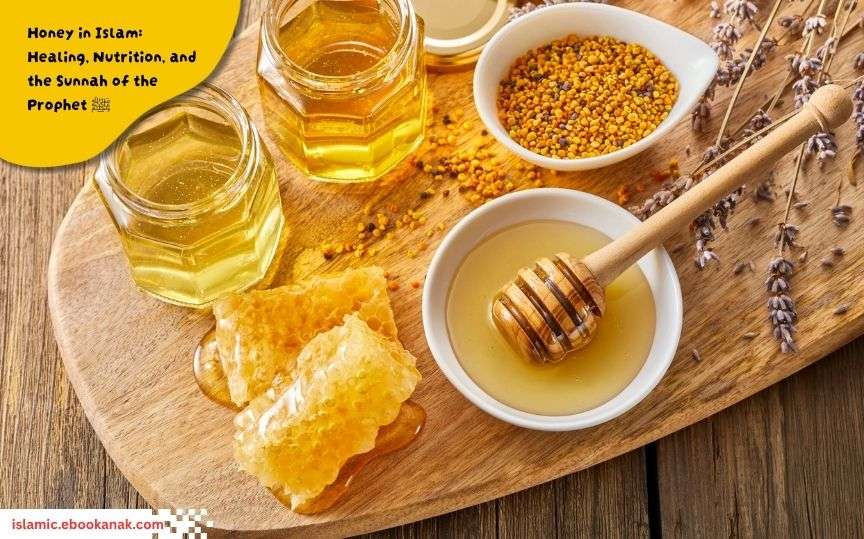
Q81. What does the Qur’an say about honey?
A: The Qur’an says:
“There comes forth from their bellies a drink of varying colors, wherein is healing for mankind.”
(Surah An-Nahl, 16:69)
This verse means that Allah has made honey a natural medicine for all people. It is both a physical cure and a sign of Allah’s mercy.
Reference:
- Qur’an, Surah An-Nahl (16:68–69)
- Tafsir Ibn Kathir (on Surah An-Nahl:69)
Q82. Why did the Prophet Muhammad ﷺ love honey?
A: The Prophet ﷺ loved honey because it is pure, wholesome, and full of barakah (blessings).
He used to start his morning with honey mixed with water as a part of his daily Sunnah routine.
Reference:
- Ibn al-Qayyim, Zad al-Ma’ad (Prophetic Medicine)
- Sunan Ibn Majah 3450 — The Prophet ﷺ said:
“Make use of the two remedies: honey and the Qur’an.”
Q83. What are the main benefits of honey for our body?
A: Honey gives natural energy, strengthens the immune system, helps digestion, and heals wounds.
It’s also rich in antioxidants that protect the heart and brain.
Reference:
- Modern Research: National Library of Medicine, “Honey and Health: A Review of Biological Effects” (2017)
- Tibb an-Nabawi, Ibn Qayyim al-Jawziyyah
Q84. What makes honey a healing food in Islam?
A: Honey is a divine remedy. Allah Himself mentions it as shifā’ (healing).
It contains enzymes, minerals, and antibacterial properties that naturally heal the body.
Reference:
- Qur’an, Surah An-Nahl (16:69)
- Sahih al-Bukhari, Hadith No. 5684:
“Honey is a remedy for every illness.”
Q85. How did the Prophet ﷺ use honey for healing?
A: The Prophet ﷺ used honey to treat stomach pain and infections.
He said:
“Honey is a cure for every illness, and the Qur’an is a cure for the diseases of the heart.”
Reference:
- Sahih al-Bukhari, Book of Medicine (Hadith 5684–5688)
- Tibb an-Nabawi by Ibn Qayyim
Q86. When is the best time to take honey according to Sunnah?
A: The best time is in the early morning before breakfast, mixed with warm water.
It helps cleanse the stomach, improves digestion, and boosts energy.
Reference:
- Zad al-Ma’ad by Ibn Qayyim (Prophetic Medicine section)
- Al-Tibb al-Nabawi — Early morning honey is recommended for body detox and strength.
Q87. How should Muslims choose honey to follow the Sunnah?
A: Choose pure, natural, and halal honey — not mixed with sugar or chemicals.
In Islam, food should be halal (lawful) and tayyib (pure, good quality).
Reference:
- Qur’an, Surah Al-Baqarah (2:168):
“Eat of what is lawful and pure on the earth.”
- Tafsir Ibn Kathir
Q88. What lesson can we learn from honey and bees in Islam?
A: Bees are hardworking, disciplined, and clean.
They teach us about cooperation, order, and gratitude.
Allah revealed to the bee:
“Follow the ways of your Lord made easy for you.” (Surah An-Nahl, 16:68)
Reference:
- Qur’an, Surah An-Nahl (16:68–69)
- Tafsir Al-Qurtubi: Bees are a symbol of obedience to Allah.
Q89. Why is honey called a miracle of nature?
A: Because tiny bees create honey that provides healing, nutrition, and energy for humans.
It shows Allah’s power and perfection in creation — a miracle we can taste every day.
Reference:
- Qur’an, Surah An-Nahl (16:68–69)
- Zad al-Ma’ad — Ibn Qayyim: Honey is among the most beneficial foods in the world.
Q90. How can children follow the Sunnah with honey today?
A: By eating a spoon of pure honey in the morning, saying Bismillah, and thanking Allah.
It’s a simple Sunnah that keeps the body healthy and the heart grateful.
Reference:
- Sunan Ibn Majah 3450
- Zad al-Ma’ad, Ibn Qayyim
- Sahih al-Bukhari, Book of Medicine
Theme 10: Milk – The Blessed Drink (Q&A 91–100)
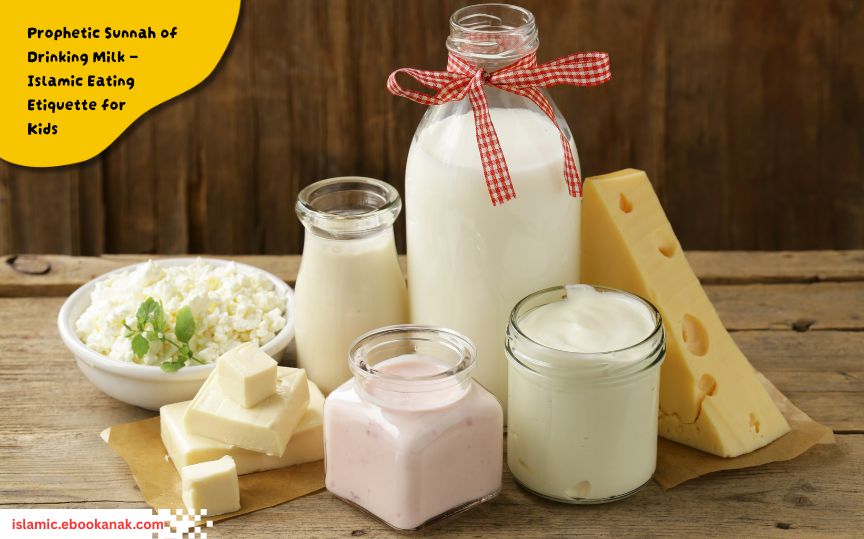
Q91. What did the Prophet Muhammad ﷺ say about drinking milk?
A: The Prophet ﷺ loved milk and said it is both food and drink.
He thanked Allah after drinking it and prayed for more blessings in it.
“Whenever the Prophet ﷺ drank milk, he would say:
‘O Allah, bless it for us and give us more of it.’”
— (Sunan Ibn Majah 3447)
Reference: Sunan Ibn Majah 3447; Sahih al-Bukhari 5612
Q92. Why is milk considered a blessed drink in Islam?
A: Milk is called “a drink of purity and blessing” because it is natural, nourishing, and halal.
It comes directly from Allah’s creation and sustains life for children and adults alike.
“From between excretions and blood, We produce for you milk, pure and pleasant to drink.”
— (Qur’an, An-Nahl 16:66)
Reference: Qur’an 16:66; Tafsir Ibn Kathir
Q93. What types of milk did the Prophet ﷺ drink?
A: He drank camel milk, goat milk, and cow milk — all considered halal and beneficial.
Among them, camel milk is often mentioned for its healing benefits.
Reference: Sahih al-Bukhari 5686; Tibb an-Nabawi (Ibn Qayyim)
Q94. Are there health benefits of milk mentioned in hadith?
A: Yes. The Prophet ﷺ said milk provides strength, nourishment, and coolness to the body.
It helps growth in children and energy in adults.
Reference: Zad al-Ma’ad (Ibn Qayyim); Sahih al-Bukhari (Kitab al-At’imah)
Q95. When is the best time to drink milk?
A: It’s best to drink milk in the morning or before sleeping at night.
Drinking warm milk before bed helps calm the mind and promote restful sleep — a Sunnah habit of the Prophet ﷺ.
Reference: Tibb an-Nabawi (Ibn Qayyim)
Q96. What is the etiquette of drinking milk in Islam?
A:
- Say Bismillah before drinking.
- Drink while sitting.
- Use three sips instead of gulping.
- Say Alhamdulillah
Reference: Sahih Muslim 2028; Sunan Abu Dawud 3728
Q97. Can milk be mixed with other foods?
A: The Prophet ﷺ sometimes mixed milk with water or honey, but avoided mixing it with sour or spoiled foods.
He preferred natural combinations that keep the stomach healthy.
Reference: Zad al-Ma’ad; Sahih al-Bukhari 5612
Q98. Is there a dua for drinking milk?
A: Yes, the Prophet ﷺ taught this beautiful dua:
“اللهم بارك لنا فيه وزدنا منه”
Translation: “O Allah, bless it for us and give us more of it.”
This dua reminds us to thank Allah for every sip of milk we drink.
Reference: Sunan Ibn Majah 3447; Tirmidhi 3455
Q99. What did the Prophet ﷺ say about camel milk?
A: The Prophet ﷺ said camel milk has healing properties, especially for certain illnesses.
He even prescribed it to a group of people who were sick — and they recovered.
Reference: Sahih al-Bukhari 5686; Sahih Muslim 1671
Q100. How can children follow the Sunnah of milk today?
A: Kids can follow the Sunnah by:
- Saying Bismillah before drinking.
- Using their right hand.
- Saying Alhamdulillah
- Drinking pure milk, not sugary flavored ones.
Reference: Sunan Ibn Majah 3447; Sahih al-Bukhari 5376
Educational Reflection
Milk is a symbol of natural purity and divine mercy.
In Islam, it reminds us that every blessing — even a simple drink — comes directly from Allah’s care for His creation.
Drinking milk with gratitude and good manners brings physical health and spiritual light.
Valid Islamic References
- Al-Qur’an: Surah An-Nahl (16:66)
- Sahih al-Bukhari: Hadith 5612, 5686
- Sahih Muslim: Hadith 1671, 2028
- Sunan Ibn Majah: Hadith 3447
- Sunan Abu Dawud: 3728
- Tafsir Ibn Kathir – Explanation of Surah An-Nahl
- Tibb an-Nabawi (Ibn Qayyim al-Jawziyyah)
- Zad al-Ma’ad (Ibn Qayyim al-Jawziyyah)