
The Birth & Childhood of Prophet Muhammad (570–576 CE) – The Year of the Elephant and Abrahah’s Attack on the Kaaba Explained
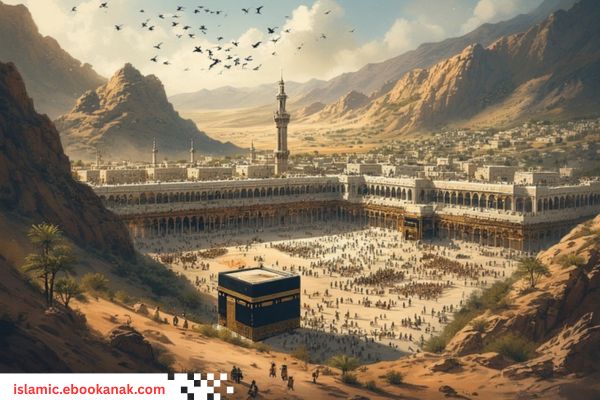
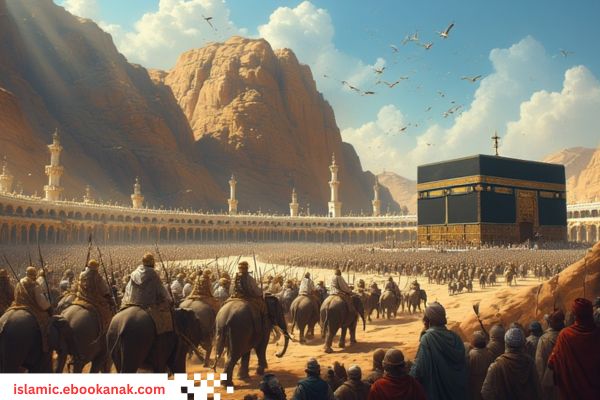
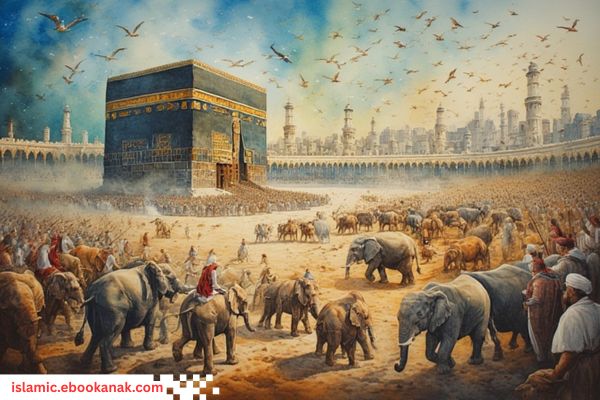
The story of Prophet Muhammad’s ﷺ birth and childhood is one of the most fascinating chapters in Islamic history. He was born in the Year of the Elephant (570 CE), a year remembered for Abrahah’s failed attempt to destroy the Kaaba in Makkah. This event is not only mentioned in Islamic tradition but also preserved in the Qur’an, Surah Al-Fil, which describes how Allah protected His sacred house from the mighty army of elephants.
Understanding this period helps students, teachers, and parents explain to children the significance of the Prophet’s early life, the miracles surrounding his birth, and how Allah prepared the world for the final messenger. In this part, we will explore the background of Abrahah’s attack, why it mattered to the people of Makkah, and how it became a turning point in history.
Through quiz-style questions and answers, kids and learners of all ages can engage with the story in a fun and interactive way while gaining accurate knowledge of Sirah Nabawiyah.
Quiz 01: Why Did Abrahah March with His Elephant Army to Makkah?
A. To expand trade routes through Arabia
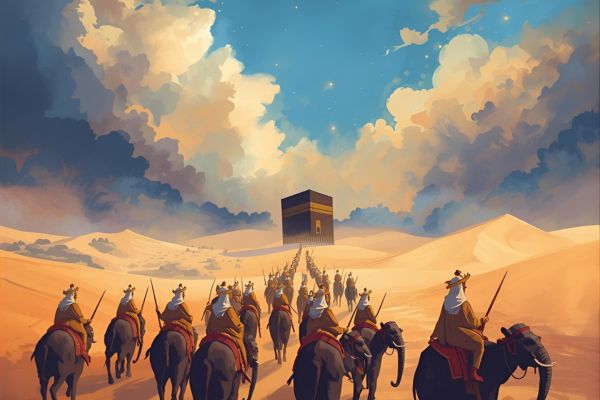
B. To destroy the Kaaba and replace it with his cathedral
C. To conquer Makkah and rule Quraysh tribes
D. To search for gold and treasures in the desert
Answer Key: B. To destroy the Kaaba and replace it with his cathedral
Explanation:
Abrahah, the Christian ruler of Yemen, built a grand cathedral in Sana’a to attract pilgrims. But when Arabs continued to honor the Kaaba in Makkah, he felt insulted. Determined to shift pilgrimage away from the Kaaba, Abrahah led a massive army—complete with elephants—to destroy it.
Did You Know? The “Year of the Elephant” became so famous in Arabian history that it was used as a calendar marker. Prophet Muhammad ﷺ was born in that very year.
Quiz Message: Arrogance and pride often blind people, but Allah always protects His sacred house.
Conclusion: Abrahah’s prideful mission showed that no human power can stand against the will of Allah.
FAQ:
❓ Why did Abrahah want to destroy the Kaaba?
✅ Because he wanted people to abandon the Kaaba and visit his cathedral instead.
Quiz 02: What Was the Main Purpose of Building a Huge Cathedral in Yemen?
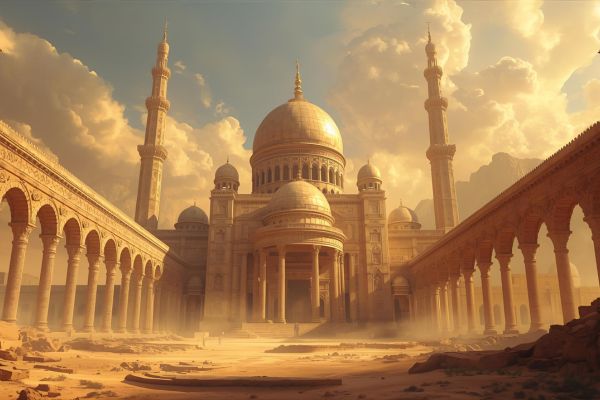
A. To attract pilgrims away from the Kaaba
B. To serve as a local place of worship only
C. To store treasures and wealth
D. To show off Yemeni architecture
Answer Key: A. To attract pilgrims away from the Kaaba
Explanation:
Abrahah’s grand cathedral in Sana’a was not just a church. It was a political move to shift pilgrimage from Makkah to Yemen, strengthening his influence over Arabia. But Arabs refused to abandon the Kaaba, which had been sacred for centuries.
Did You Know? The cathedral was called al-Qullays and was one of the tallest structures in Arabia at that time.
Quiz Message: Faith cannot be forced; the Kaaba’s sanctity remained strong in the hearts of Arabs.
Conclusion: Building a place of worship with arrogance leads to failure, but the Kaaba stood firm as Allah’s chosen house.
FAQ:
❓ What was Abrahah’s cathedral called?
✅ Al-Qullays, located in Sana’a, Yemen.
Quiz 03: How Did the People of Makkah React When the Kaaba Was Threatened?
A. They gathered armies to fight Abrahah
B. They fled the city in fear
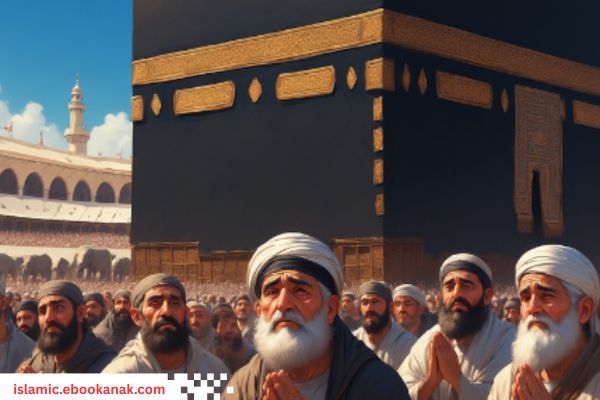
C. They prayed and placed their trust in Allah
D. They surrendered the Kaaba without resistance
Answer Key: C. They prayed and placed their trust in Allah
Explanation:
The people of Quraysh were terrified. They had no power to fight an army with elephants. Instead, they left their trust in Allah, believing He alone could protect His sacred house.
Did You Know? The Kaaba had been a place of pilgrimage since Prophet Ibrahim’s time, making it the oldest continuous religious site in Arabia.
Quiz Message: When powerless, true believers put their trust in Allah.
Conclusion: The Quraysh showed that faith in Allah is the strongest shield.
FAQ:
❓ Did the Quraysh fight Abrahah’s army?
✅ No, they relied on Allah’s protection of the Kaaba.
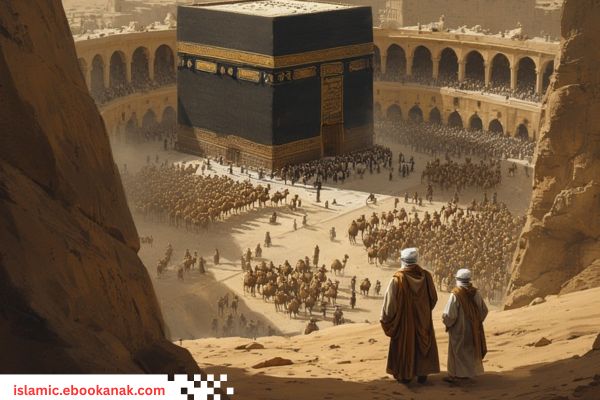
Quiz 04: What Did Abdul Muttalib Say to Abrahah When They Met?
A. “We will fight until the end.”
B. “Take my camels, but the Kaaba belongs to Allah.”
C. “We surrender the Kaaba to you.”
D. “I demand peace between us.”
Answer Key: B. “Take my camels, but the Kaaba belongs to Allah.”
Explanation:
Abdul Muttalib, the Prophet’s grandfather and leader of Quraysh, calmly told Abrahah that he only cared about his own camels. As for the Kaaba, it was Allah’s house, and Allah Himself would protect it.
Did You Know? Abrahah was shocked by Abdul Muttalib’s dignity and confidence.
Quiz Message: Leaders who trust Allah inspire others to stand firm.
Conclusion: Abdul Muttalib’s words showed faith stronger than fear.
FAQ:
❓ Who was Abdul Muttalib?
✅ He was Prophet Muhammad’s grandfather and guardian of the Kaaba.
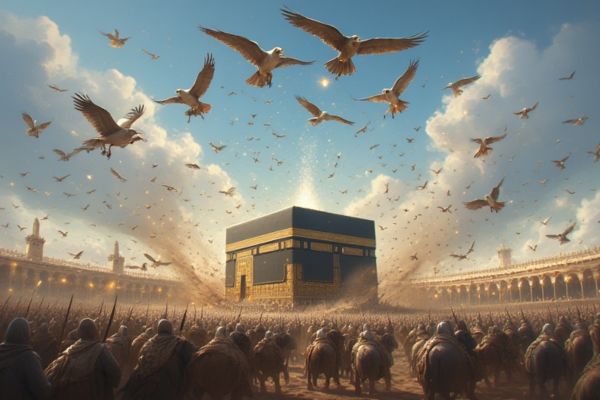
Quiz 05: What Happened When the Birds Called Ababil Appeared?
A. They sang loudly to scare the army
B. They dropped stones from the sky onto the elephants
C. They carried Quraysh people to safety
D. They circled the Kaaba in blessing
Answer Key: B. They dropped stones from the sky onto the elephants
Explanation:
In a miraculous event, flocks of small birds known as Ababil appeared in the sky. Each bird carried three stones—one in its beak and two in its claws. They dropped them on Abrahah’s army, causing panic and destruction.
Did You Know? The stones were said to cause instant wounds like burning, proving divine intervention.
Quiz Message: Allah’s help can come in the most unexpected ways.
Conclusion: The Ababil showed that even the smallest creatures can defeat the mightiest army by Allah’s will.
FAQ:
❓ What were the birds that attacked Abrahah’s army called?
✅ Ababil.
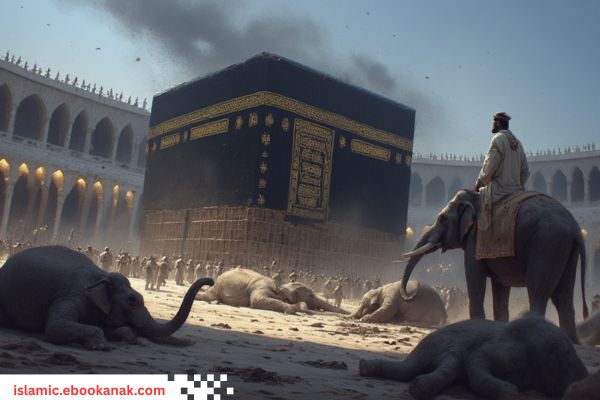
Quiz 06: What Was the Fate of Abrahah and His Elephant Army?
A. They captured Makkah successfully
B. They returned safely to Yemen
C. They were destroyed by disease and divine punishment
D. They made peace with Quraysh
Answer Key: C. They were destroyed by disease and divine punishment
Explanation:
After being struck by the stones of Ababil, Abrahah’s army fell into chaos. Many soldiers and elephants collapsed with disease-like wounds. Abrahah himself suffered a terrible illness and returned to Yemen, where he soon died.
Did You Know? Historians say the survivors carried disease back to Yemen, weakening Abrahah’s kingdom.
Quiz Message: Tyranny and arrogance never end well.
Conclusion: The army’s destruction was a divine sign that Allah protects His sacred house.
FAQ:
❓ Did Abrahah survive?
✅ He returned to Yemen but soon died from his wounds.
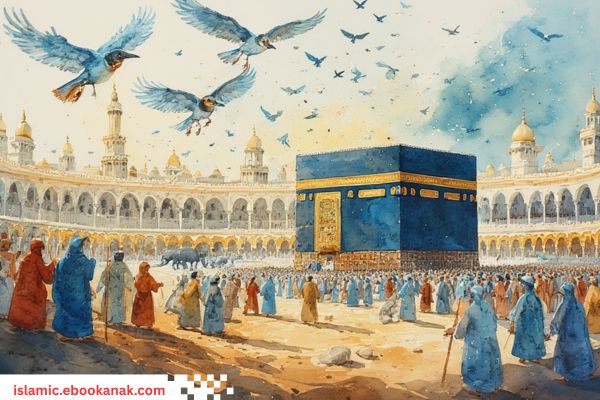
Quiz 07: What Lesson Does the Qur’an Teach in Surah Al-Fil About the Elephant Incident?
A. Strength lies in big armies
B. Money can build great cathedrals
C. Allah protects His house against any threat
D. The Quraysh were strong warriors
Answer Key: C. Allah protects His house against any threat
Explanation:
Surah Al-Fil (Chapter of the Elephant) reminds believers how Allah destroyed Abrahah’s mighty army with small birds. It proves that no matter how strong a human force may be, nothing can overpower Allah’s will.
Did You Know? Surah Al-Fil is one of the shortest chapters of the Qur’an, yet carries a powerful eternal message.
Quiz Message: Remember that Allah’s protection is stronger than any worldly power.
Conclusion: Surah Al-Fil remains a timeless lesson of faith and divine power.
FAQ:
❓ Which Surah describes the story of the Elephant?
✅ Surah Al-Fil, Chapter 105 of the Qur’an.
FAQ – The Birth & Childhood of Prophet Muhammad ﷺ (570–576 CE)
Q1: What is the Year of the Elephant in Islamic history?
The Year of the Elephant (570 CE) marks the birth year of Prophet Muhammad ﷺ. It is named after Abrahah’s failed attempt to destroy the Kaaba using an army of elephants, as described in Surah Al-Fil.
Q2: Who was Abrahah and why did he attack the Kaaba?
Abrahah was a Christian ruler from Yemen who built a grand church to rival the Kaaba. When people continued to honor the Kaaba, he marched with his army to demolish it—but Allah protected His sacred house.
Q3: Why is Prophet Muhammad’s birth year important?
The Prophet’s birth in the Year of the Elephant is seen as a sign of divine protection and preparation for his future role as the final messenger of Islam.
Q4: How can children learn about the Prophet’s childhood?
Conclusion: The Birth and Childhood of Prophet Muhammad ﷺ (570–576 CE) – Lessons from the Year of the Elephant and Abrahah’s Attack on the Kaaba
Children can explore Prophet Muhammad’s early life through simplified stories, quizzes, and interactive lessons that highlight his noble character and the miracles around his birth.
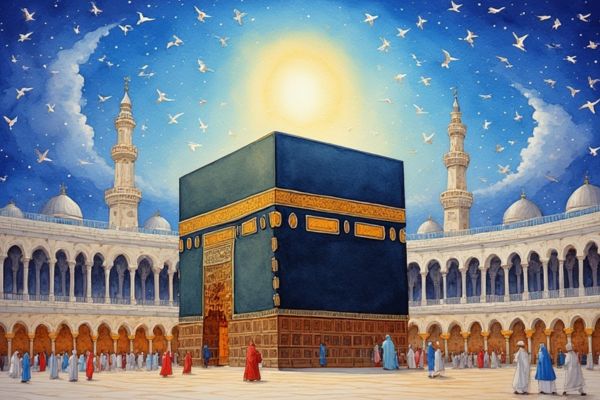
The story of Prophet Muhammad’s birth and childhood (570–576 CE), beginning with the Year of the Elephant and Abrahah’s failed attack on the Kaaba, is one of the most important events in Islamic history. It reminds us that even before the Prophet’s mission began, Allah had already shown His power by protecting the Kaaba from destruction.
From the lessons of Abrahah’s army, the miracle of the birds (Ababil), and the Qur’anic account in Surah Al-Fil, we learn about faith, trust in Allah, and the certainty that truth will always be protected.
For children, students, and teachers, this early chapter of the Prophet’s life is not only a history lesson but also a moral guide about patience, courage, and divine protection. It sets the stage for understanding how Prophet Muhammad ﷺ grew into the final messenger of Islam, whose teachings continue to inspire millions around the world.
➡️ In short: The Year of the Elephant is more than a historical event—it is a timeless reminder that Allah safeguards His sacred house and prepares the way for His chosen messenger.
Would you like to continue exploring the life of Prophet Muhammad ﷺ beyond his birth and early childhood? The story does not end with the Year of the Elephant—it was only the beginning.
In Part 2: The Teenage Years of Prophet Muhammad ﷺ, you will discover how the young Muhammad grew up in Makkah, earned the trust of his people, and became known as Al-Amin (The Trustworthy). These years shaped his noble character and prepared him for his future mission.
Read Part 2 here → The Teenage Years of Prophet Muhammad ﷺ (576–582 CE)
Don’t miss it—each part of this series brings you closer to understanding the full journey of the Prophet’s blessed life.