

إِيَّاكَ نَعۡبُدُ وَإِيَّاكَ نَسۡتَعِينُ
Iyyaaka na’budu wa lyyaaka nasta’een
(1:5) You alone do we worship[6], and You alone do we turn for help[7]
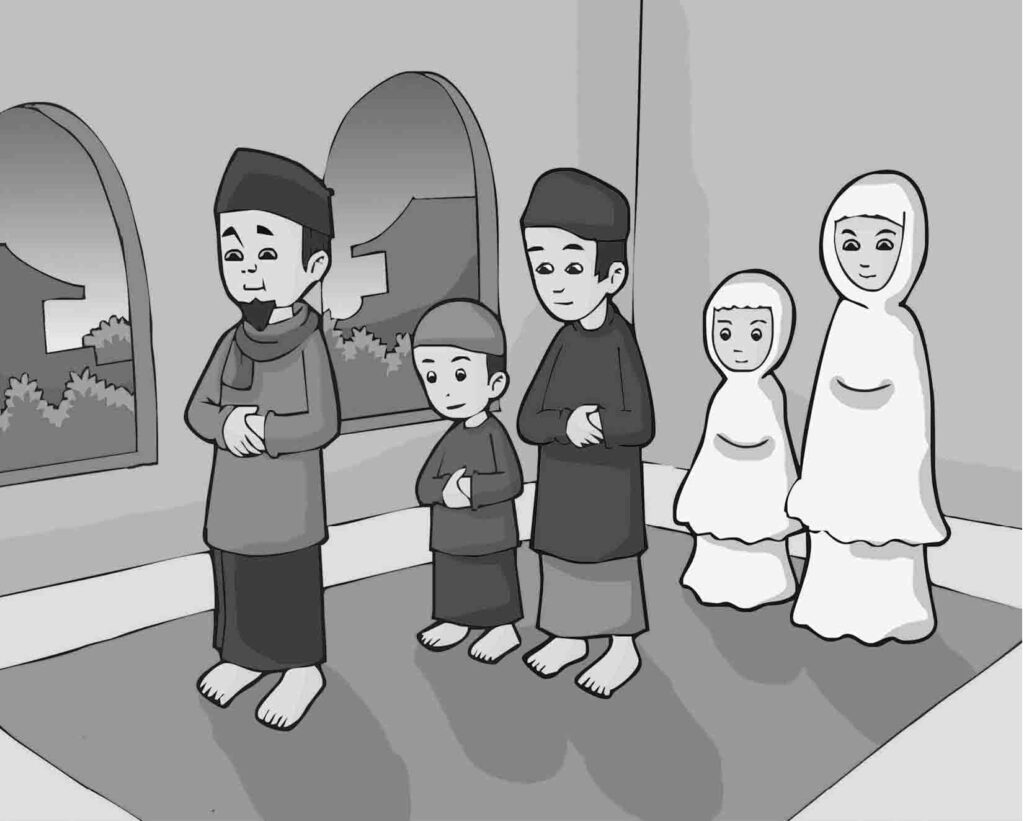
The term ibadah is used in three sense: (i) worship and adoration; (ii) obedience and submission; and (iii) service and subjection.
In this particular context the term carries all these meanings simultaneously.
In other words, we say to God that we worship and adore Him, that we are obedient to Him and follow His will, and also that we are His servants.
Moreover man is so bound to none save God, that none but He, may be the subject of man’s worship and total devotion, of man’s unreserved obedience, of man’s absolute subjection and servitude.
Not only do we worship God, but our relationship with Him is such that we turn to Him alone for help and succour.
We know that He is the Lord of the whole universe and that He alone is the Master of all blessings and benefactions.
Hence, in seeking the fulfilment of our needs we turn to Him alone.
It is towards Him alone that we stretch forth our hands when we pray and supplicate.
It is in Him that we repose our trust. It is therefore to Him alone that we address our request for true guidance.
Sources
- Tafsir: Ala-Maududi
- Editor: Nurul Ihsan
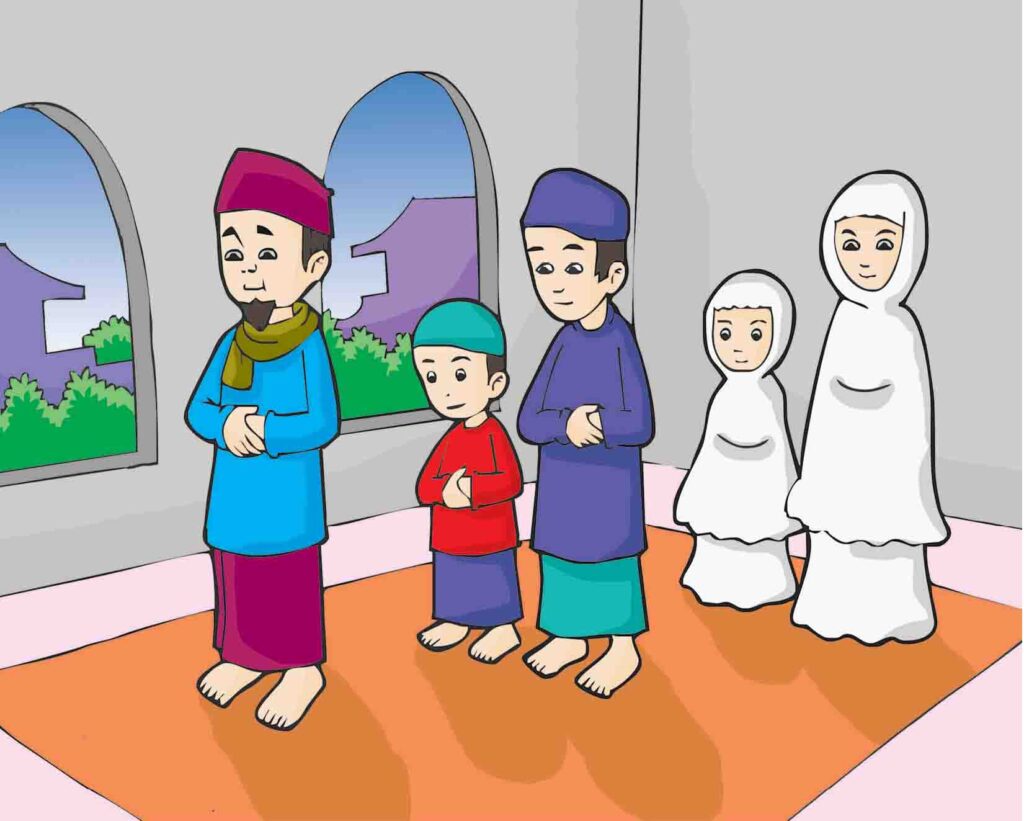
- Ilustration: islamic.ebookanak.com/Rachman
- Web: myislam.org